Intent
The work of political change.
My work responds to a sense of unease about global politics and the emergence of a political culture that challenges many of the values underpinning public life since the end of the Second World War. I grew up during the Cold War, in a period of profound uncertainty shaped by the threat of nuclear conflict and tensions between opposing East and West.
Despite that uncertainty, there seemed to be shared moral boundaries. Enriching oneself in public office, deliberate attacks on unarmed civilians, torture, and the mistreatment of refugees were widely recognised as wrong. Acts of genocide were expected to be prosecuted by international courts. International law carried authority, and those who transgressed these principles risked public disgrace.
How and why this consensus has fractured is not the subject of my work. Instead, I seek to acknowledge that something fundamental has changed. We live in an era increasingly defined by destruction, where pacifism, coalition-building, empathy and the patient work of peace-making have lost ground. The pursuit of profit, technological exceptionalism, political short-termism, personal enrichment in public office, media manipulation and gaslighting have become familiar features of public life. Care, compassion, fairness and even the acknowledgement of suffering are too often dismissed as signs of weakness or naivety. Those who document violence are themselves increasingly at risk, and journalists have become targets of war.
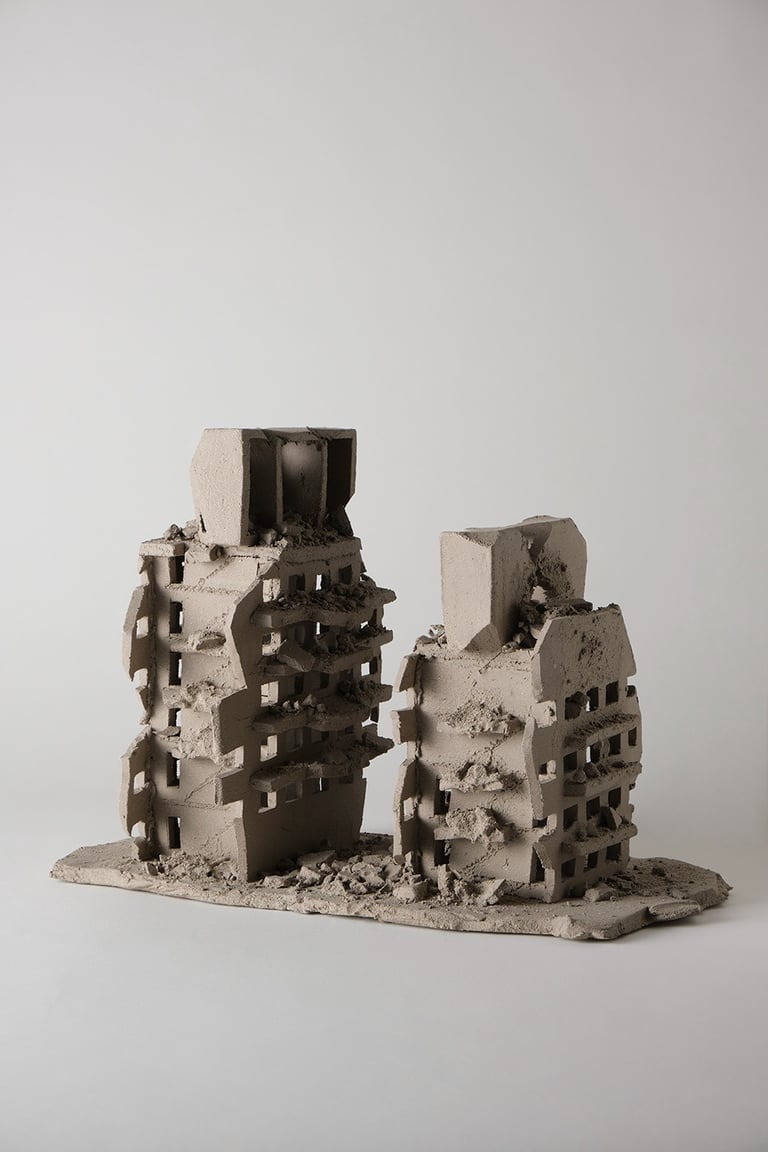
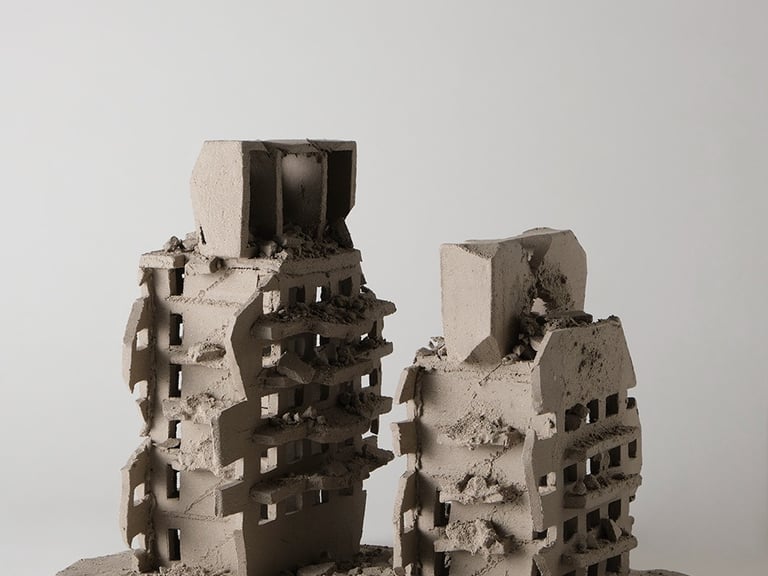
In the physical world, there is a disturbing fascination with the efficiency of new weapons. Newspapers report on the "lethality" of landmines, drones and AI-guided missiles. Images of neighbourhoods reduced to rubble have become commonplace. Bombs tear open apartment blocks, exposing the intimate contents of everyday life: beds, cupboards, kitchen tables, fridges and children's toys suspended amid shattered concrete. Doors and windows are blown away, family cars crushed, and water pipes and electrical cables left hanging from broken buildings.
Through my work, I seek to confront this reality by bringing destruction into an artistic vocabulary. Shattered materials are presented as belonging to our contemporary landscape as much as forests, rivers or fields. By adopting the form of the globe, I suggest that the forces driving this new condition are not confined to individual conflicts but have become global, entangling the Earth itself.
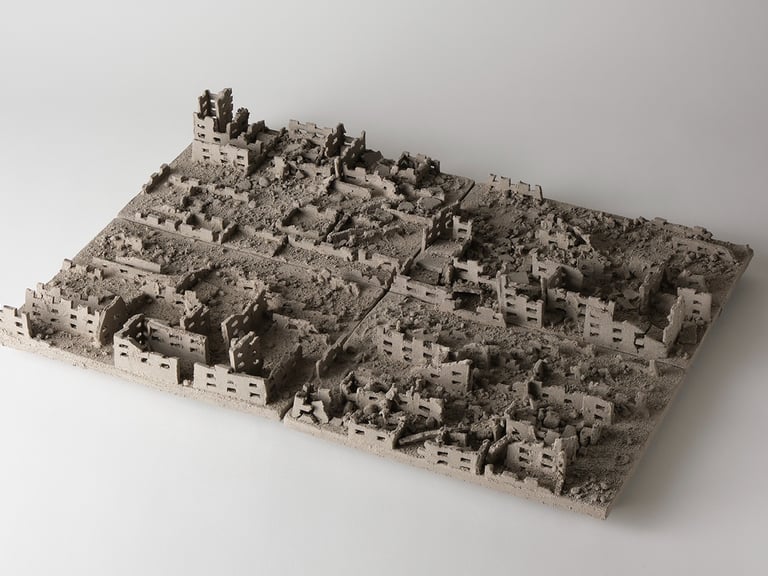
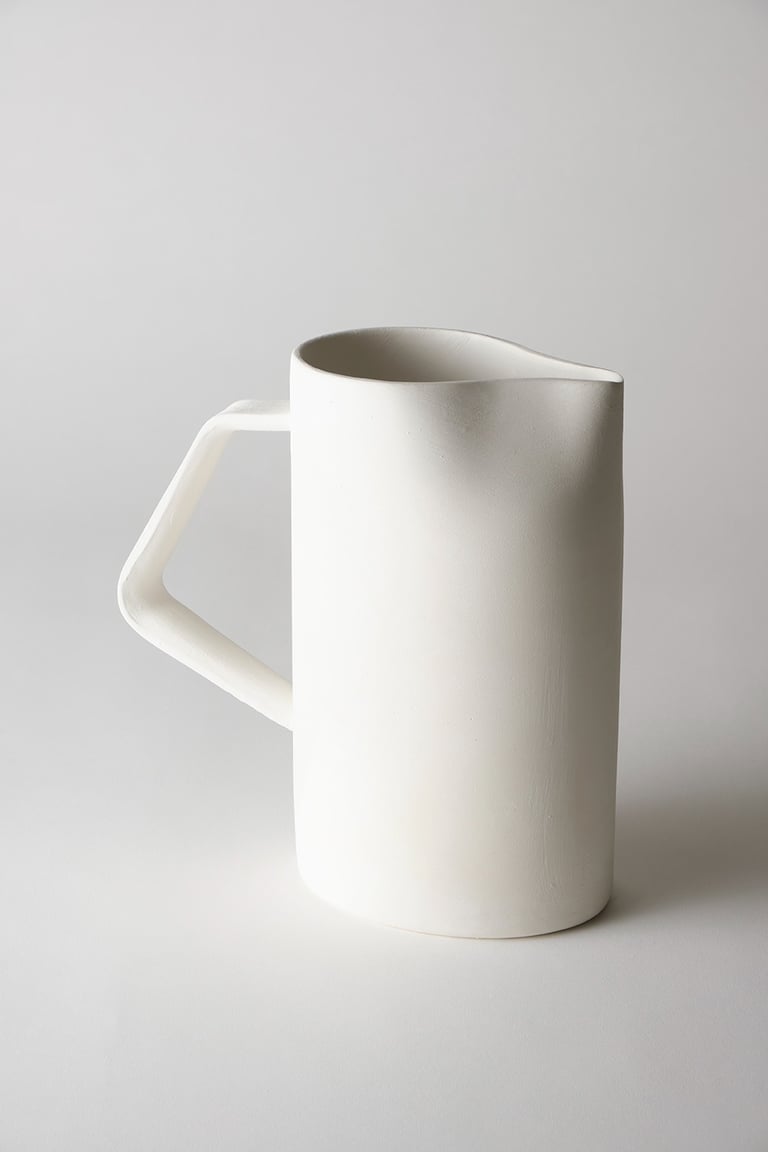
From the archive.
Stoneware
Stoneware
Porcelain
Allies
Who wins in this war? Both aggressor and victim are changed by acts of war.
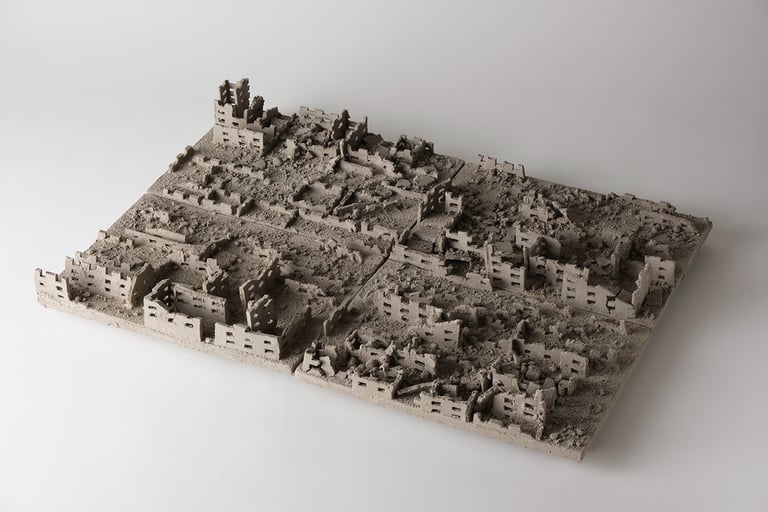
Map
A meditation on the systematic desctruction of buildings, water supplies, hospitals, and infrastructure
Flask
A legacy work in porcelain, made in slipcast porcelain
Write your text here...
Documented works.
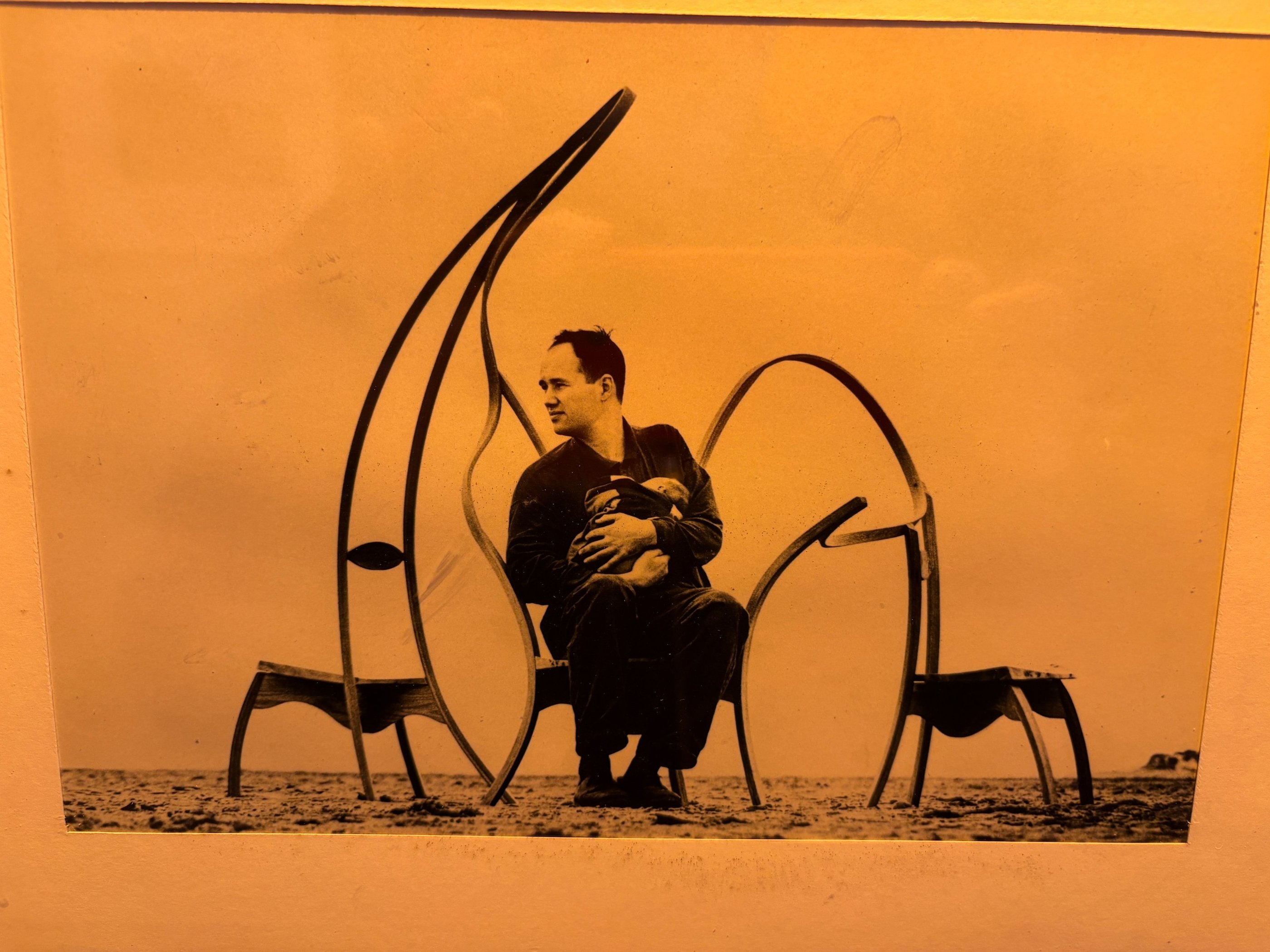
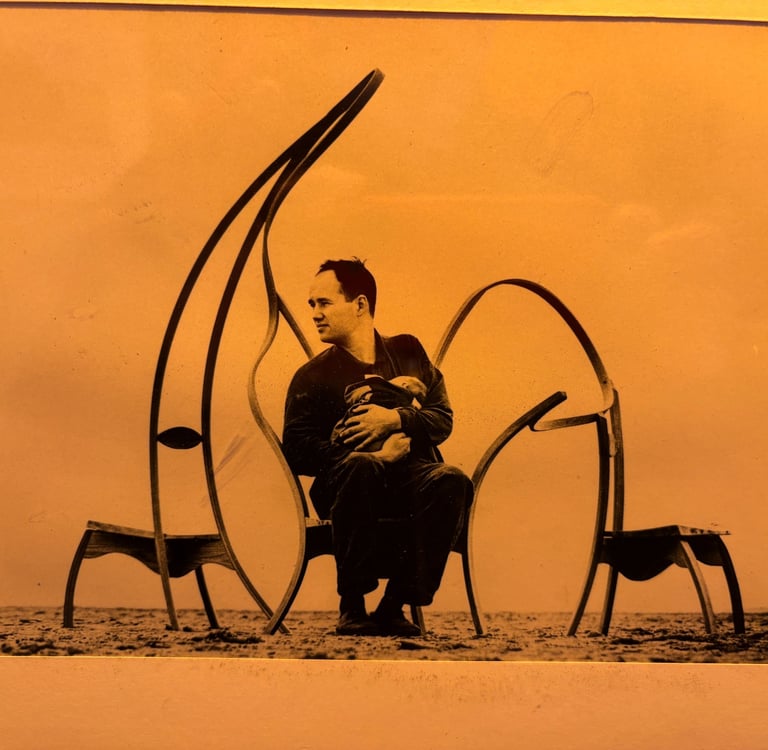
A commision for a public space, the Dialogue Chairs invite people to form relationships with strangers in a public arena. Constructed from laminated timber, this work formed part of a series of curved seating - all made in laminated timber.
Acquisition & Commissions
Private collectors and museum curators may request direct acquisitions, detailed catalog sheets, or discuss site-specific commissions for public and private spaces.
Philip Hughes
Material reflections on a fractured world
Commissions and enquries
philiphughes02@gmail.com
By appointment only
London
© 2026 Philip Hughes
Philip Hughes-Archive-Materiality-Inquire